
The following paper discusses one of the uses of artificial intelligence for the purpose of optimize the functioning of storing energy facilities with renewable energy sources, like solar and wind power. It begins by outlining the theoretical background of the renewable energy production process, technologies of energy storage with the emphasis on battery-based ones, and AI-based optimization strategies. This is followed by a study of how AI methods including machine learning and evolutionary algorithms may be applied to increase the competence, reliability, and economical feasibility of hybrid renewable energy systems. MATLAB is applied to simulate the practical situations of the solar photovoltaic panels, wind turbines, and battery storage systems. These simulations apply AI algorithms to optimise the way energy flows, how it is stored, and load balancing in dynamically changing environmental conditions. Case studies and simulated outcomes are provided that assess an efficacy and issues that come with the incorporation of AI. These results show that AI-based optimization helps to improve the concert of renewable Energy storage systems significantly and helps the transition to more ecologically friendly and low-carbon vitality infrastructure based on TFE.
Turn pages by dragging a corner, clicking a page, or with the ← → keys.
Loading article…
Open the PDF instead
DOI: https://doi.org/10.63328/IJRDES-V7CIP15
OpenYou've reached the end of this article.
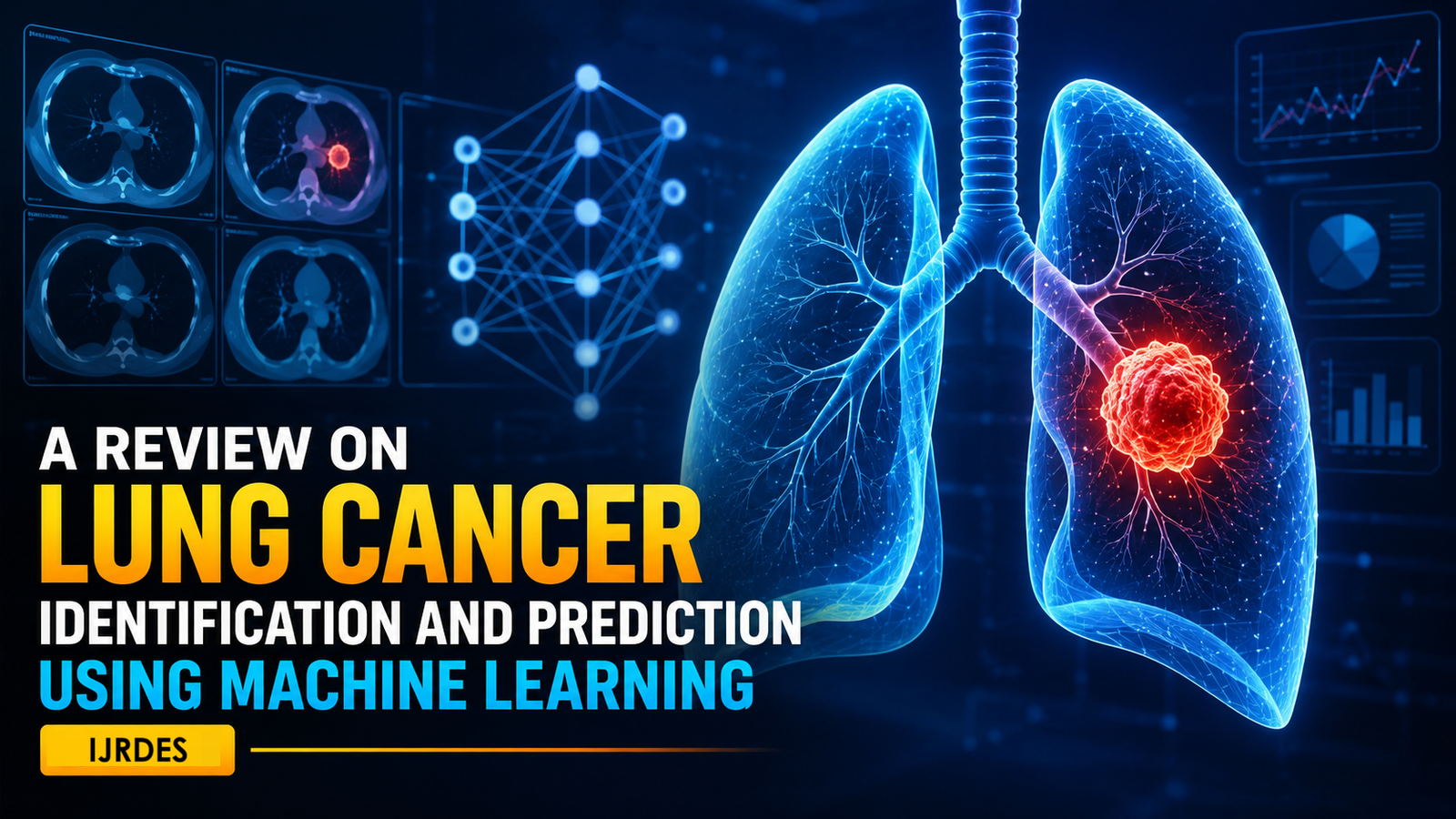
Lung cancer is accountable for more deaths each year than all of the other leading cancers - breast,...
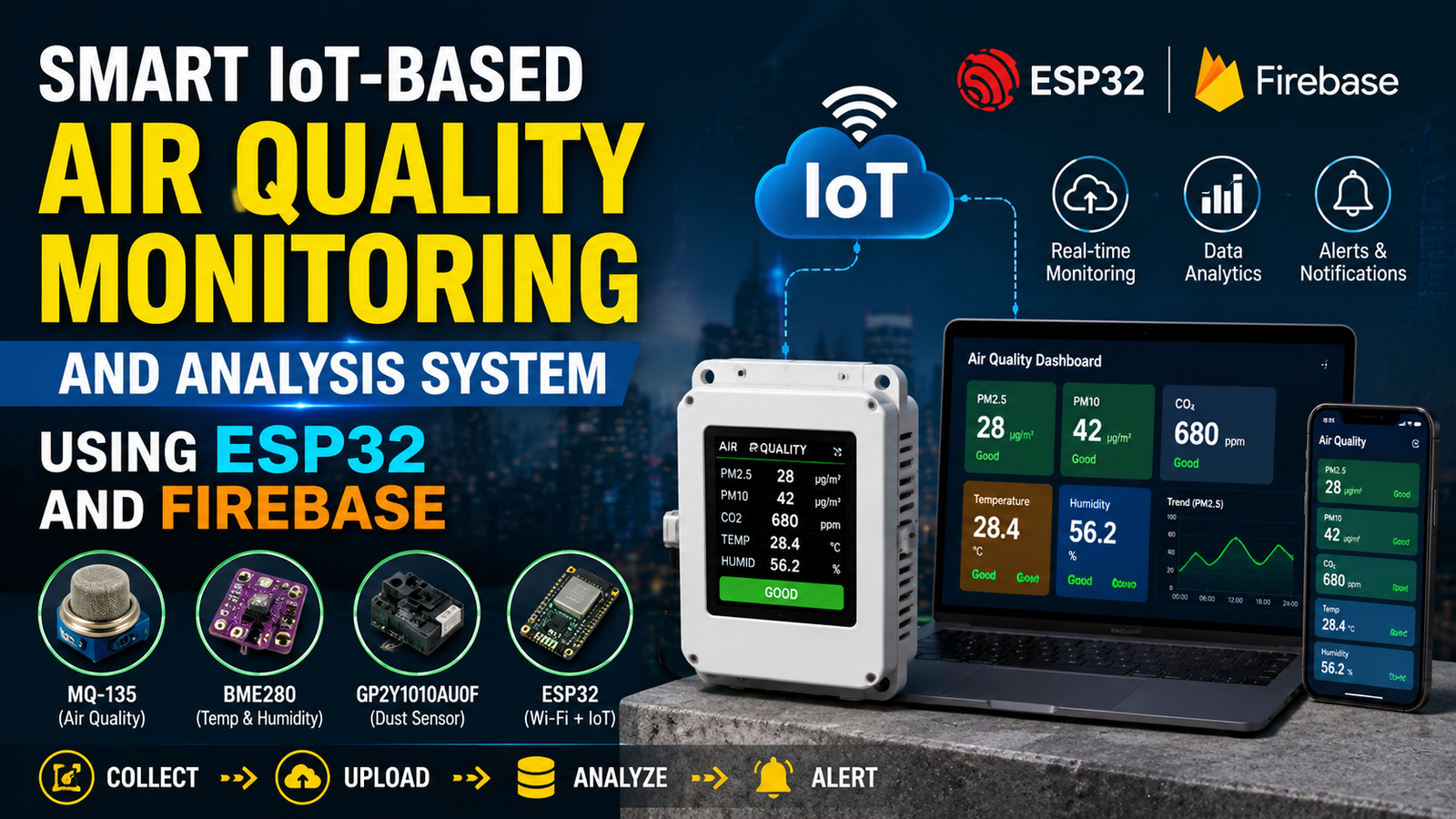
The growing rates of air pollution are both highly hazardous to the human environment and health, an...

Leukaemia, a malignant disorder of the blood and bone marrow, requires early and accurate detection ...

Multilevel inverters (MLIs) have gained an increasingly high profile in the area of power electronic...