
Leukaemia, a malignant disorder of the blood and bone marrow, requires early and accurate detection to improve patient survival and treatment planning. Traditional manual examination of peripheral blood smears is labor-intensive, prone to errors, and subject to observer variability. This study proposes an automated framework for leukemia detection and stage prediction using multi model convolutional neural networks with transfer learning. Four pre-trained architectures—ResNet50, DenseNet121, MobileNetV2, and EfficientNetB3are fine-tuned on microscopic blood smear images to classify healthy and leukemic cells as well as predict disease stages. Each model is evaluated across standard performance metrics, with accuracy considered the primary benchmark for model selection. Experimental results reveal that among the tested architectures, this model achieving the highest accuracy emerges as the optimal choice for reliable leukaemia detection and stage prediction.
Turn pages by dragging a corner, clicking a page, or with the ← → keys.
Loading article…
Open the PDF instead
DOI: https://doi.org/10.63328/IJRDES-V7CIP17
OpenYou've reached the end of this article.

Lung cancer is accountable for more deaths each year than all of the other leading cancers - breast,...
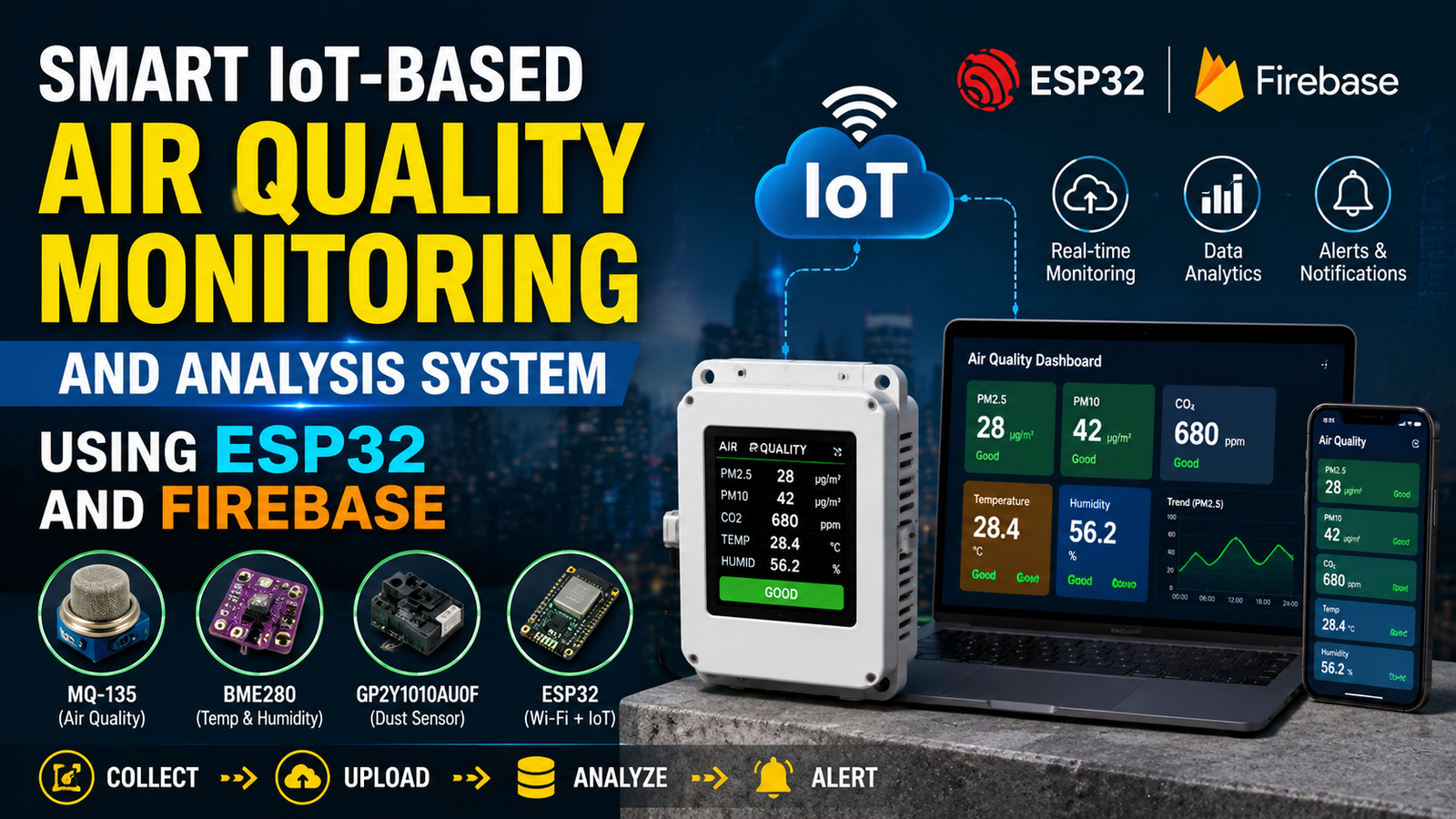
The growing rates of air pollution are both highly hazardous to the human environment and health, an...

Multilevel inverters (MLIs) have gained an increasingly high profile in the area of power electronic...

The following paper discusses one of the uses of artificial intelligence for the purpose of optimize...