


Rapid urbanization and population growth have led to severe traffic congestion, delays, and increased pollution in modern cities. To address these challenges, this paper proposes an Intelligent Traffic Management System (ITMS) based on the Internet of Things (IoT). The system integrates smart sensors, cameras, and wireless communication technologies to monitor real-time traffic flow, vehicle density, and signal status across intersections. The collected data is transmitted to a centralized cloud platform for processing and analysis. Using this information, the system dynamically controls traffic signals to optimize vehicle movement, reduce waiting time, and minimize fuel consumption. Additionally, IoT-enabled alert mechanisms provide early warnings about accidents, roadblocks, or emergency vehicle movement to ensure smoother traffic operations. The proposed system enhances road safety, improves transportation efficiency, and contributes to the development of sustainable smart cities. Experimental simulations demonstrate that IoT-based traffic control significantly outperforms traditional fixed-timer systems in managing congestion and reducing travel time.
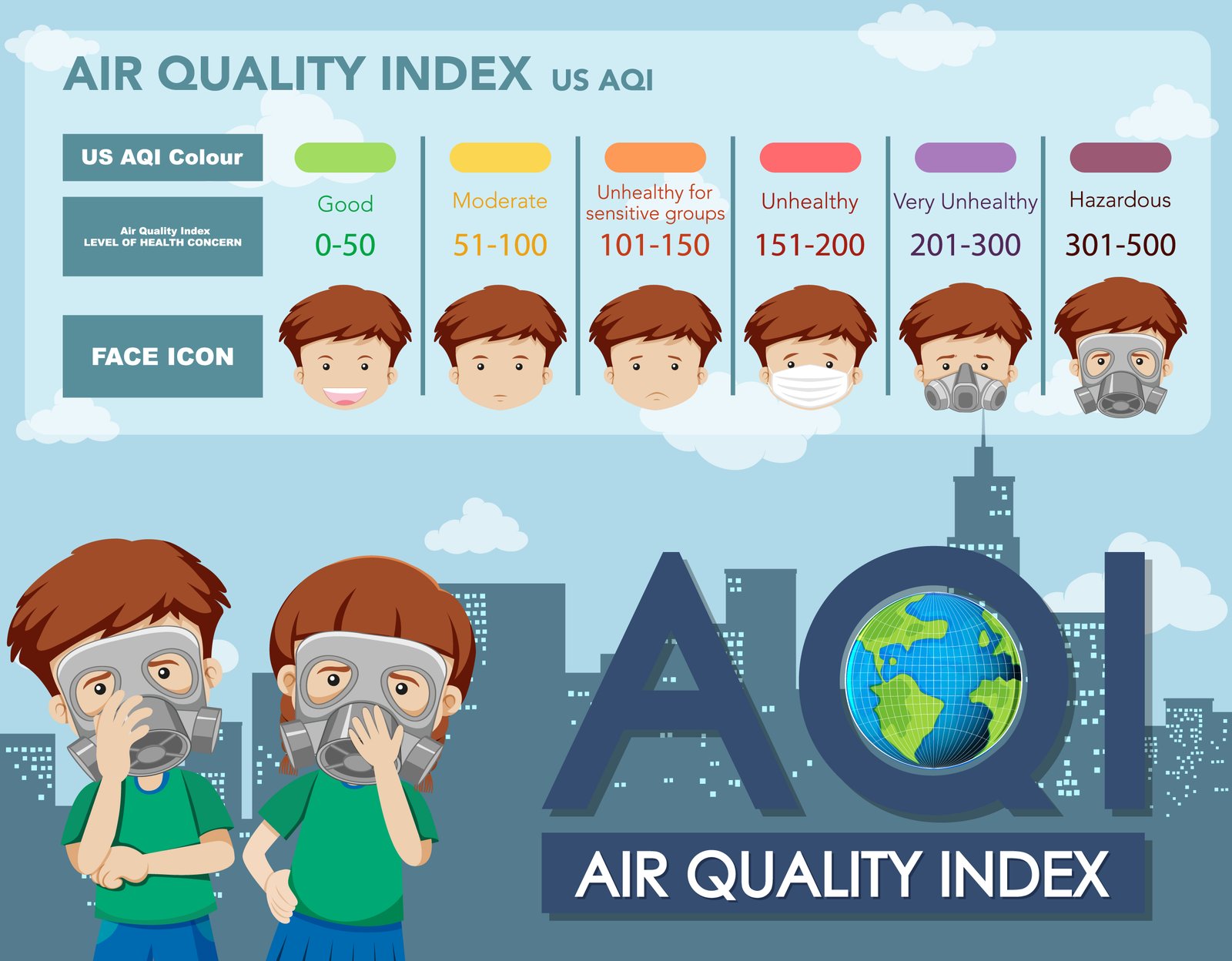
Air pollution has become a major environmental concern affecting human health and climate worldwide....

The rapid growth of wireless communication has led to an increased demand for radio spectrum, result...

Accurate classification of cancer data plays a vital role in early diagnosis, effective treatment pl...

Phishing is one of the most prevalent cyber threats, where attackers deceive users through fraudulen...